
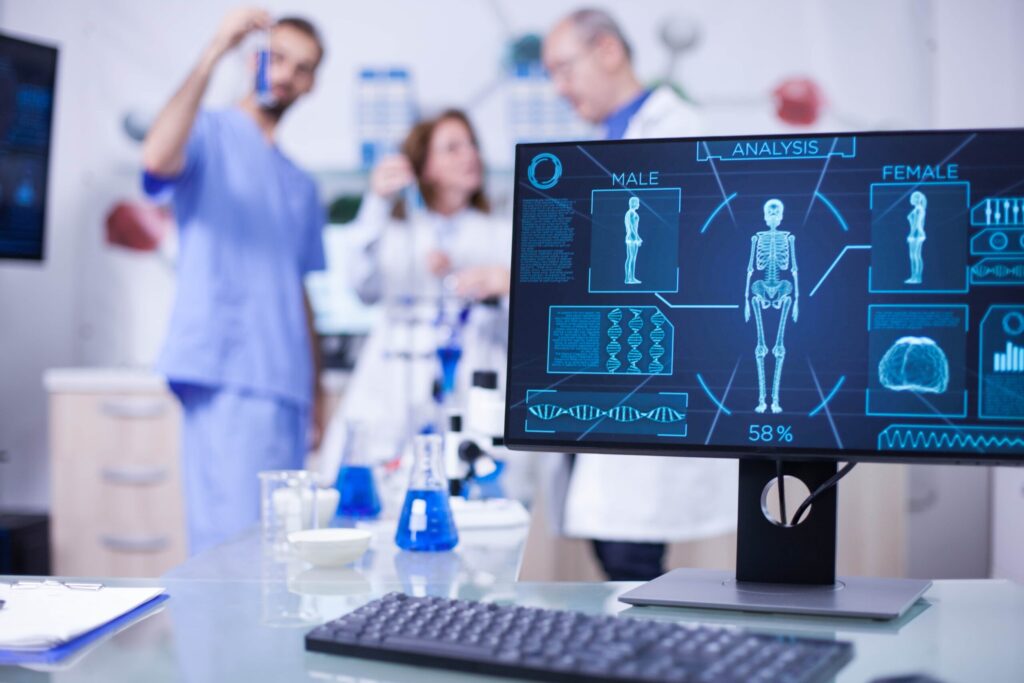
Medical software development services are critical for advancing healthcare technology and digital solutions across clinical, administrative, and operational environments. As healthcare continues to adopt modern software practices, these services support enhanced system interoperability, patient engagement, security compliance, and scalable IT infrastructure that align with evolving medical needs. In the healthcare sector, tailored software enables providers to integrate complex workflows, automate crucial processes, and improve overall service quality. The medical industry increasingly relies on advanced applications from telehealth and electronic health records to AI-powered analytics and wearable integrations to support medical systems and improve outcomes. These trends emphasize the value of medical software development services as a strategic investment for any organization focused on digital transformation and innovation RockSoft Tech.
Core Functions of Medical Software Development Services
Medical software development services cover a broad spectrum of technology-driven solutions designed specifically for healthcare environments. These services often focus on creating software that improves data handling, compliance, accessibility, and communication within patient care and administrative functions.
Clinical and Patient Care Solutions
Healthcare software development includes solutions such as electronic health records (EHR), electronic medical records (EMR), and clinical decision support systems. These systems centralize patient data, enabling faster access to historical records and improving accuracy in clinical workflows. Integration with diagnostic tools and reporting systems enhances performance across departments, allowing clinicians to make more informed decisions and track health outcomes effectively RockSoft Tech.
Telehealth and Remote Monitoring Platforms
Telehealth technology and remote patient monitoring have redefined care delivery by making services accessible from anywhere. Custom telehealth platforms, secure video consultation systems, and remote monitoring apps help providers extend services beyond traditional settings. These tools reduce travel barriers and allow real-time tracking of patient vitals through connected devices and wearables.
Administrative and Operational Software
Software development services also encompass practice management and administrative applications that automate scheduling, billing, claims processing, and documentation tasks. Automating these routine operations significantly reduces administrative burden, boosts productivity, and minimizes manual errors in daily tasks.
Technology Trends Impacting Medical Software Services
The evolution of medical software development services is driven by emerging technologies that shape how healthcare software is built and deployed. Cloud computing, artificial intelligence (AI), mobile solutions, and data analytics are among the dominant trends transforming healthcare delivery.
Cloud-Enabled Infrastructure
Cloud computing plays a major role in modern medical software development by offering scalable data storage and accessibility across devices and locations. Providers can securely store vast amounts of patient data while enabling authorized users to access records remotely. Cloud environments facilitate collaboration among care teams, contributing to more efficient workflows and data sharing.
Artificial Intelligence and Machine Learning
AI and machine learning capabilities are being integrated into medical software to enhance diagnostics, predictive analytics, and operational efficiencies. These technologies support clinical decision-making by analyzing large datasets and identifying patterns that may not be obvious through traditional analysis. Predictive models contribute to risk assessment and personalized treatment plans, improving care quality across patient populations.
Mobile and Wearable Health Apps
Mobile health applications and wearable integrations allow users to track health data, manage chronic conditions, and access health services on the go. RockSoft Tech, These solutions contribute to proactive care management by connecting patient-generated data directly into provider systems, enabling timely interventions and continuity of care.
Security, Compliance, and Data Protection
Security and compliance are foundational components of medical software development services. Healthcare applications must adhere to stringent regulations and standards including HIPAA in the U.S. and GDPR in the EU that govern patient data privacy and security. Robust encryption, secure authentication protocols, and audit trails are essential elements of compliant software architecture that protect sensitive health information. Medical software developers must embed these security measures at every development stage to build trust with providers and patients while safeguarding against cyber threats. This proactive defense approach ensures data integrity and supports long-term operational stability.
Benefits of Investing in Medical Software Services
Medical software development services bring measurable value to healthcare organizations in numerous ways. These benefits extend beyond immediate operational gains to influence strategic performance and patient outcomes.
Effective Talent Evaluation Practices
To recruit high-caliber developers, follow a structured approach that emphasizes both technical assessment and cultural fit.
Improved Patient Experience
Custom healthcare applications give patients access to their records, appointment scheduling, and communication tools, fostering engagement and convenience. Systems that integrate portals and mobile interfaces allow patients to participate actively in their care journey, improving satisfaction and adherence to treatment plans.
Enhanced Workflow Efficiency
Automation of documentation, billing, and scheduling relieves care providers from repetitive administrative tasks, enabling them to focus more on patient care. Streamlined workflows reduce delays, improve accuracy, and increase throughput across clinical and administrative departments.
Scalability and Integration
Custom software solutions are designed to grow with healthcare organizations. Scalable applications handle increasing data volumes and accommodate new services without significant re-engineering. RockSoft Tech, Integration with third-party systems and medical devices ensures continuity across platforms and promotes interoperability.
Selecting the Right Development Approach
Choosing the appropriate model for engaging medical software development services is critical. Healthcare organizations can opt for in-house development teams, partner with specialized vendors, or contract dedicated remote developers based on project scale, budget constraints, and technical expertise. Professional development partners with experience in healthcare technology can guide architectural decisions, ensure compliance, and deliver systems optimized for performance, security, and long-term support.
Future Directions of Medical Software Services
The landscape of healthcare software development continues to evolve. Advances in immersive technologies like AR/VR, edge computing, and blockchain are emerging as potential components of next-generation medical solutions, enhancing training, security, and real-time data processing capabilities.
As demands for personalized medicine and integrated data ecosystems grow, medical software development services will remain central to delivering sophisticated digital healthcare solutions. By blending robust engineering practices with domain-specific insights, these services empower healthcare organizations to harness technology for impactful and sustainable outcomes RockSoft Tech.